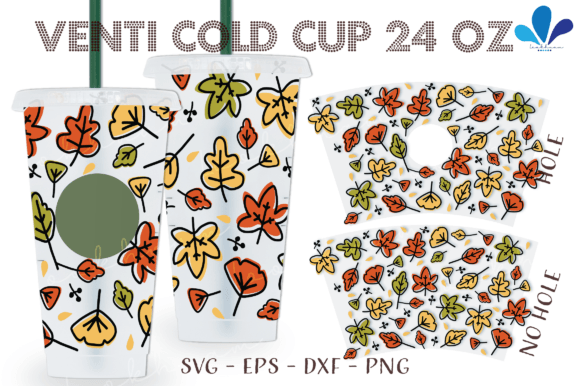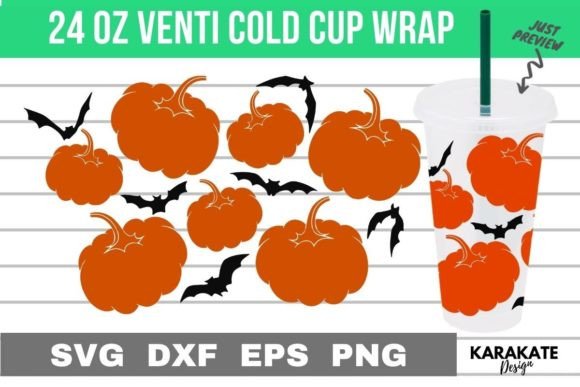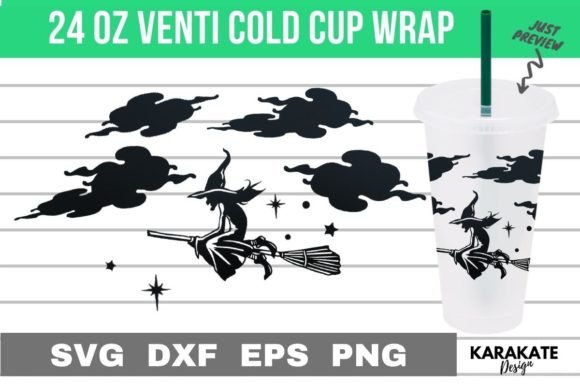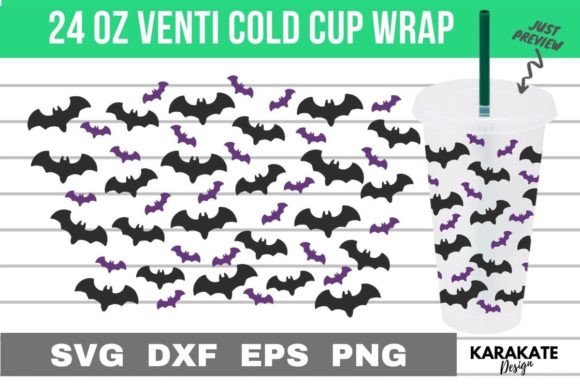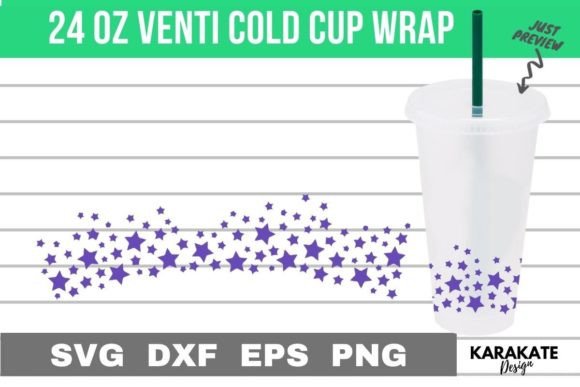
Stardust, 24 Oz Venti Cup Wrap SVG
A Designer’s First Glance: Delicate, Dreamy, and Purpose-Built
Opening Stardust, 24 Oz Venti Cup Wrap SVG feels like unrolling a quiet moment—soft curves, subtle negative space, and a layout that wraps naturally around a cylindrical form. It’s not loud or busy; it leans into elegance with minimal visual weight. As an embroidery designer who’s stitched hundreds of cup wraps for boutique coffee shops and handmade gift lines, I immediately recognized its intention: this isn’t just a graphic—it’s a *wrap*, designed to live on a 24 oz Venti tumbler, but with enough structural clarity to translate cleanly to other curved or vertical surfaces.
Where It Shines: Real Projects That Feel Intentional
Last week, I tested Stardust, 24 Oz Venti Cup Wrap SVG as the centerpiece for a limited-run embroidered tote bag collection—linen-cotton blend, medium-weight, with a relaxed drape. The design scaled beautifully from its native wrap proportions to a 5.5" tall vertical panel on the bag’s side. Its gentle arc became a natural focal point, and the open spacing between star motifs allowed the fabric texture to breathe. Customers responded strongly—not to “cute” or “trendy,” but to *calm sophistication*. That same energy carried over when I adapted it (with minor scaling) onto a baby sweatshirt collar band: soft, gender-neutral, and quietly special.
It works especially well for small business owners curating cohesive collections—think holiday kitchen towels with matching aprons, or personalized nursery decor where Stardust, 24 Oz Venti Cup Wrap SVG becomes a subtle border on a crib sheet or a delicate motif on a cotton muslin swaddle. For Etsy sellers, it’s a smart digital embroidery file to pair with neutral-toned mockups: it reads as premium without demanding high thread counts or complex digitizing.
Where to Proceed Thoughtfully
This isn’t a one-size-fits-all embroidery file—and that’s a strength, not a limitation. Its airy composition means it won’t hold up well on ultra-thin fabrics (like lightweight rayon challis) without careful stabilizer selection. On stretchy knits—say, a fitted cap or baby onesie—I’d recommend using a cutaway + tear-away combo and reducing stitch density slightly in the fill-stitch areas to avoid puckering.
The design includes fine linear elements and delicate star points. Those will read clearly on medium-to-heavy fabrics (denim, canvas, terry cloth), but may blur or distort on highly textured surfaces like bouclé or thick terry unless hooped with extra care. And while the PNG file is crisp at 300 DPI, remember: for machine embroidery, you’ll need to digitize it properly—or confirm the seller provides a pre-digitized embroidery file. Stardust, 24 Oz Venti Cup Wrap SVG is a graphics file, not a ready-to-stitch embroidery file, so treat it as a starting point, not a final stitch-out.
Design Assets That Support Your Craft Business
What makes Stardust, 24 Oz Venti Cup Wrap SVG genuinely useful for creative entrepreneurs is its versatility across formats. The included SVG, DXF, EPS, and PNG files let you prep for laser cutting (patches), sublimation printing (towels, mugs), Cricut/Silhouette cutting (iron-on vinyl), and digital mockups—all without re-tracing. As a designer, I used the transparent-background PNG to build realistic printable mockups for my Etsy listings, and the SVG to adjust spacing for a custom apron pocket layout. That flexibility saves hours when juggling multiple product lines.
Impact Beyond the Stitch: Trust, Value, and Presentation
Customers notice when a design feels considered—not just placed, but *belonging*. Stardust, 24 Oz Venti Cup Wrap SVG elevates handmade products because it avoids visual clutter. On a tea towel, it doesn’t compete with the weave; on a sweatshirt cuff, it adds quiet distinction without shouting. That subtlety builds trust: buyers sense intentionality, which reinforces perceived value—even before they touch the finished product.
For craft business owners, that translates directly to repeat customers and word-of-mouth referrals. One local boutique owner told me her customers specifically asked for “that stardust design” after seeing it on a staff apron—proof that thoughtful design assets become brand shorthand over time.
Practical Notes Every Embroidery Designer Should Keep Handy
- Always test first: Run a sample on scrap fabric matching your final project’s weight and stretch.
- Check contrast: Try your thread colors against both light and dark backgrounds—especially important if you’re offering customization.
- Review stitch density: If digitizing yourself, watch fill-stitch areas near curved edges—they can pull or distort on cylindrical items like tumblers or mugs.
- Confirm hoop size: The original wrap layout suggests a minimum 4" x 4" hoop, but verify based on your scaled use case.
- Inspect small details: Zoom in on star points and connecting lines—those define clarity in satin stitch and running stitch transitions.
- Mock it in black and white: This reveals hierarchy and balance faster than color previews.
- Use proper stabilizer: Medium-weight cutaway works best for most apparel; tear-away + topping for towels or textured fabrics.
- Verify licensing: Since this is a digital embroidery file sold as a graphics asset, confirm whether commercial use of finished embroidered items is permitted before listing on Etsy or selling wholesale.
Final Thought: A Quiet Asset With Real Weight
Stardust, 24 Oz Venti Cup Wrap SVG won’t dominate a craft fair table—but it might be the reason a customer lingers, touches the fabric, and asks, “Is this all yours?” That’s the mark of a well-considered design asset. It supports the maker, respects the material, and gives handmade products a whisper of polish that feels earned, not applied. Whether you’re building a seasonal holiday embroidery collection, launching a small shop line, or stitching personalized gifts for friends, this is the kind of Crafts category graphic that earns its place—not through flash, but through thoughtful fit.