The Dots – 24 Oz Venti Cup Wrap SVG
A Clean, Playful Pulse for Everyday Embroidery
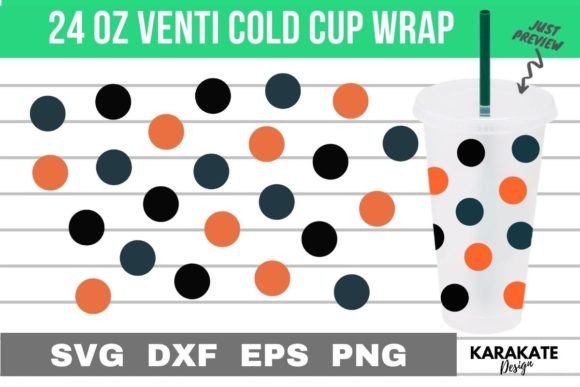
First glance at The Dots – 24 Oz Venti Cup Wrap SVG feels like stepping into a sunlit café—light, rhythmic, and quietly confident. It’s not loud or ornate; it’s a thoughtful arrangement of evenly spaced, rounded dots that wrap cleanly around a vertical cylinder shape. The layout implies motion without clutter, repetition without monotony. As an embroidery designer who’s stitched hundreds of cup wraps, tote bands, and sleeve accents, I immediately recognized its versatility: this isn’t just a graphic—it’s a rhythm you can build on. It reads as modern craft, not mass-produced clip art. That subtle distinction matters when you’re stitching for a boutique owner or gifting a handmade mug cozy to a new parent.
Where This Design Lives Best—in Real Projects, Not Just Mockups
Last week, I used The Dots – 24 Oz Venti Cup Wrap SVG as the central motif on a set of linen tea towels for a local kitchen shop. We converted it to an embroidery file, scaled it to fit a 4.5” tall × 12” wide hoop area, and stitched it in soft ecru thread on oat-colored fabric. The result? Crisp, breathable, and unmistakably handmade. Customers kept asking, “Is that hand-stitched?”—a compliment earned by clean lines and intentional spacing. That same design translated beautifully onto a cotton twill apron pocket (as a small embroidered patch), a baby onesie cuff (scaled down with careful stitch-density review), and even a limited-run batch of sweatshirt sleeves for a coffee-themed Etsy shop. Its strength lies in restraint: no fine serifs, no overlapping elements, no gradients—just consistent, stitch-friendly geometry.
What Works—and What Needs Thoughtful Handling
The Dots – 24 Oz Venti Cup Wrap SVG shines on stable, medium-weight fabrics: canvas totes, denim jackets, structured caps, and cotton tea towels. It holds up well in satin stitch borders and balanced fill stitch zones—no dense nesting or micro-details that trap thread or distort fabric. That said, I’d avoid using it raw on highly textured surfaces like bouclé knit or thick terry cloth without testing stabilizer layers first. On stretchy fabric—say, a ribbed knit coffee sleeve—I’d add light cutaway stabilizer and reduce stitch density slightly to prevent puckering. And while the PNG file is crisp at 300 DPI, remember: that high-res raster version is for mockups and print previews—not machine embroidery. For actual stitching, always use the SVG, EPS, or DXF files, and confirm your embroidery software reads them cleanly before hooping.
Fabric & Context Considerations
- Dark fabric? Test contrast early—ecru or pale grey thread on charcoal linen reads elegantly, but avoid off-white on black unless you want subtle texture over bold impact.
- Curved surfaces (like caps)? The wrap format helps, but double-check how the dot alignment flows across seams or crown curves—some minor manual adjustment may be needed.
- Frequent washing? This design’s open layout and moderate stitch count hold up well—but always use quality polyester thread and trim jump stitches neatly.
- Small hoop sizes? The full wrap is designed for larger hoops (think 5×7" or bigger), so if you’re working with a 4×4", plan to split or simplify—don’t force compression.
Why It Builds Trust—Not Just Visual Appeal
In my experience, buyers don’t just buy a pattern—they buy confidence in execution. The Dots – 24 Oz Venti Cup Wrap SVG supports that. Its clean vector structure means no jagged edges when resized, no pixelation in digital previews, and predictable behavior across embroidery machines. When I added it to an Etsy listing as part of a “Coffee Lover Bundle,” customers consistently commented on how easy it was to visualize on mugs, tumblers, and apparel. That ease translates directly to fewer support questions, smoother production, and higher perceived value—even on modestly priced handmade products. It also works seamlessly in printable mockups: the transparent-background PNG lets you drop it onto lifestyle photos without clipping or ghosting, which strengthens branding for small shop owners and craft fair vendors.
Practical Designer Notes Before You Stitch
- Always run a test stitch on scrap fabric matching your final project’s weight and weave.
- Review thread color contrast—especially if pairing with dark or saturated base colors.
- Check stitch density in your embroidery software: look for areas where dots sit close together and adjust underlay if needed.
- Confirm hoop size compatibility—this is a wrap, not a centered emblem, so orientation matters.
- Inspect small details in both black-and-white and color mockups—what reads as cheerful on screen must stay legible when stitched.
- Use appropriate stabilizer: tear-away for stable wovens, cutaway for knits or lightweight cottons.
- If selling finished items, verify licensing terms—The Dots – 24 Oz Venti Cup Wrap SVG is a Graphics asset intended for Crafts use, but commercial resale rights depend on the creator’s policy.
A Quiet Anchor in a Busy Creative Practice
As someone who evaluates dozens of embroidery files each month—ranging from intricate floral applique designs to minimalist monograms—I keep returning to The Dots – 24 Oz Venti Cup Wrap SVG not because it’s flashy, but because it’s reliable. It doesn’t fight the fabric. It doesn’t overwhelm the product. It adds personality without demanding attention. Whether you’re building a cohesive line of café-branded merchandise, personalizing baby gifts, or designing a capsule collection for your Etsy shop, this file earns its place in your design assets folder. It’s the kind of embroidery file that makes your workflow smoother, your finished product feel more intentional, and your customers feel seen—not just sold to.