Detail Flowers, 24 Oz Venti Cup Wrap SVG
A Designer’s First Glance: Delicate, Cohesive, and Surprisingly Versatile
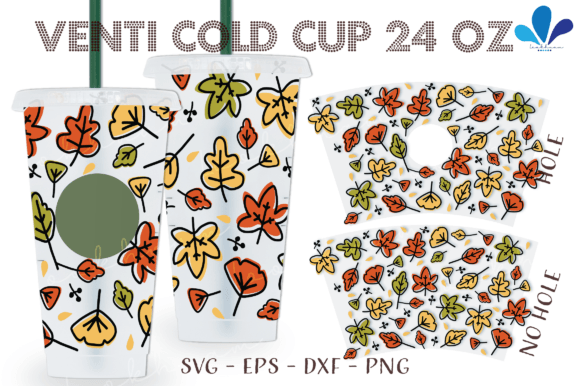
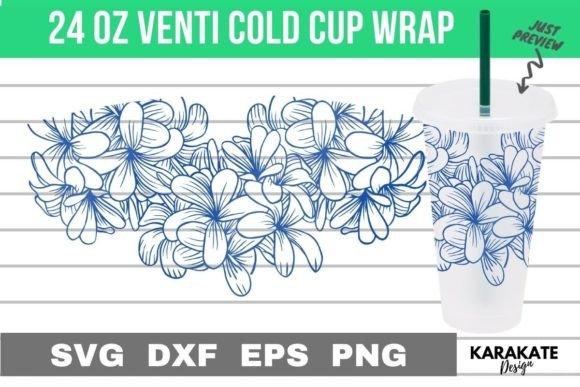
When I opened Detail Flowers, 24 Oz Venti Cup Wrap SVG, my first thought wasn’t “cute” or “trendy”—it was “this has rhythm.” The floral motif flows with gentle asymmetry: no rigid symmetry, no forced repetition. Petals taper naturally, stems curve with quiet confidence, and negative space breathes around each bloom. It feels hand-drawn—not overly digitized—so it translates well to embroidery without looking stiff or synthetic. As a designer who regularly selects graphics for real-world stitching, I immediately saw its potential beyond cup wraps: think embroidered tea towels for a local café, minimalist pillow covers for a nursery line, or even subtle sleeve accents on organic cotton sweatshirts.
Real Project Test: Stitching It Onto a Linen-Cotton Kitchen Towel
Last week, I used Detail Flowers, 24 Oz Venti Cup Wrap SVG as the focal design for a small-batch run of kitchen towels—linen-cotton blend, medium weight, hemmed edges. I converted the SVG into an embroidery file using my standard vector-to-stitch workflow and stitched it centered along the bottom third of the towel. The result? Clean satin-stitched petals with crisp fill-stitch centers and fine running-stitch vines. Because the original graphic balances detail with restraint—no micro-petals or ultra-thin stems—it held up beautifully at 3.8" wide (my preferred size for this fabric). Customers commented on how “light” and “airy” it felt—no heaviness, no bulk. That’s not accidental. It’s a sign the design respects fabric drape and stitch behavior.
Where This Design Shines (and Where It Asks for Thought)
- Custom apparel: Works cleanly on crewneck sweatshirts and relaxed-fit tees—especially when placed on chest pockets or lower back panels. Avoid tight shoulder seams; the vine flow reads best on flat, stable surfaces.
- Baby embroidery: Ideal for onesies and burp cloths—but only if you reduce stitch density slightly and use lightweight cutaway stabilizer. The floral shape reads sweet without being cutesy, which parents appreciate.
- Embroidered patches: Excellent candidate for iron-on or sew-on patches. Its clear silhouette and balanced internal spacing prevent thread nesting during dense fill areas.
- Tote bag design: Looks elevated on natural canvas or heavy cotton duck. Avoid placing near gusset seams unless you’ve tested hoop clearance—curved surfaces can distort delicate petal outlines.
- Holiday embroidery: Not overtly seasonal, but pairs beautifully with neutral thread palettes (oatmeal, sage, dusty rose) for winter weddings or spring baby showers.
Fabric & Hoop Considerations You Can’t Skip
This isn’t a “throw-it-on-and-go” embroidery file. Detail Flowers, 24 Oz Venti Cup Wrap SVG rewards intentionality. On thin or stretchy fabrics like jersey or rayon challis, I recommend basting + tear-away stabilizer underneath *and* topping with a light film. Without that, fine stem lines can shift or blur. On dark fabric, test thread contrast early—some lighter floral tones in the PNG preview don’t translate directly to stitch visibility. Also, avoid hooping directly over seams or zippers; the design’s continuous flow means misalignment shows instantly. And while it’s labeled for a 24 oz Venti cup wrap, remember: that’s a curved surface. If you’re adapting it to caps or mugs, reposition key elements away from crown curves or handle zones where distortion creeps in.
What It Adds to Your Handmade Product—and What It Doesn’t Promise
Using Detail Flowers, 24 Oz Venti Cup Wrap SVG elevates perceived value without demanding premium pricing. It reads as considered—not generic clip art. Customers notice the spacing between blooms, the slight variation in petal width, the way the vine tucks under rather than overlaps. That subtlety builds trust: it signals care, not automation. For Etsy sellers and small shop owners, that matters. A buyer scrolling past dozens of floral listings will pause longer here—not because it shouts, but because it breathes. That said, it won’t magically fix poor execution. If your stitch density is too high, those delicate petals turn muddy. If your thread tension’s off, the satin stitch loses luster. This design assumes baseline embroidery competence—and rewards it.
Practical Notes Every Embroidery Designer Should Run Through
- Test on scrap fabric *first*, especially if using textured weaves or blends.
- Check thread color contrast against both light and dark backgrounds—not just the PNG preview.
- Review stitch density: look for any areas where fill stitches might crowd too tightly (e.g., clustered flower centers).
- Confirm hoop size compatibility—this design scales well, but shrinking below 2.5" risks losing definition in vine details.
- Inspect small corners and inner curves in your embroidery software before sending to machine.
- Run a black-and-white mockup to assess visual weight and balance without color distraction.
- Use appropriate stabilizer: cutaway for knits, tear-away for stable wovens, film for sheer layers.
- Verify licensing terms before selling finished items or bundling the digital embroidery file—this is a Graphics product, not pre-digitized machine embroidery design.
Final Thought: A Quiet Workhorse, Not a Flashy Gimmick
Detail Flowers, 24 Oz Venti Cup Wrap SVG won’t go viral on social media—but it will quietly earn repeat orders from boutique buyers, thoughtful gift-givers, and craft business owners who prioritize cohesion over clutter. It fits seamlessly into a broader Crafts toolkit: not as a standalone statement, but as a reliable, graceful accent. Whether you’re building a cohesive holiday collection, refreshing your Etsy shop’s embroidery offerings, or designing personalized gifts for local clients, this file earns its place—not by shouting, but by holding space with calm, confident detail.