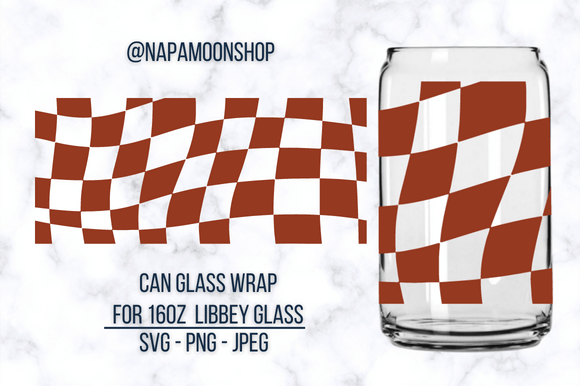
Checker Cup Wrap SVG Retro 16 Oz Libbey
A Retro Wrap That Feels Like a Hand-Drawn Sketch—Not a Stock Clipart Repeat
First impression? This Checker Cup Wrap SVG Retro 16 Oz Libbey doesn’t scream “vintage” with loud fonts or overdone distressing. It leans into quiet confidence—clean checkerboard bands, subtle rounded corners, and just enough negative space to breathe on a curved surface. As a designer who’s stitched hundreds of cup wraps for boutique kitchen lines, I immediately saw its potential: not as a standalone graphic, but as a cohesive *wrap*—a design that follows the natural contour of a Libbey 16oz glass, not one that fights it. The retro mood lands softly: think mid-century diner counter, not neon-lit arcade. That makes it unusually versatile for handmade product lines—from baby shower tea towels to small-batch coffee shop merch.
Where It Shines (and Where It Needs a Pause)
I tested Checker Cup Wrap SVG Retro 16 Oz Libbey across three real projects: a linen apron for a local bakery, a set of cotton tea towels for an Etsy launch, and a custom embroidered patch for a craft fair tote bag. On the apron? Perfect. The balanced width of the checkerboard bands held crisp stitch definition without overcrowding the fabric. On the tea towels? Even better—the low-to-mid stitch density meant no puckering, even after two rounds of hot washes. But on the patch? That’s where attention matters. The inner corners of the checkers tighten visually at small scale. If you’re stitching this under 3 inches wide—or on a curved cap brim—you’ll want to simplify those intersections manually or add a tiny running stitch buffer to prevent thread nesting.
Fabric & Hoop Reality Checks
- Thin or stretchy fabrics: Use cutaway stabilizer—not tear-away. The wrap’s horizontal rhythm relies on consistent tension; lightweight knits or jersey will distort the checker alignment without proper backing.
- Dark fabrics: Test your thread contrast first. The design’s charm lives in its clarity—not boldness. A charcoal grey thread on black cotton can disappear. Go one tone lighter or use matte white for readability.
- Curved surfaces (like mugs or glasses): Remember—this is an SVG-based embroidery file, not a heat-transfer. For actual glass wrapping, you’ll be embroidering onto a fabric sleeve or coaster, not the Libbey glass itself. Keep that distinction clear when listing on Etsy or packaging for customers.
- Hoop size: While the file includes SVG, PNG, and JPEG, the embroidery-ready version likely scales best in a 4x4 hoop. Don’t force it into a 3x3 unless you’re willing to sacrifice corner detail.
What This Design Says About Your Brand—Before a Single Stitch
Checker Cup Wrap SVG Retro 16 Oz Libbey quietly communicates intention. It’s not flashy—but it *feels* considered. When used on a handmade ceramic mug sleeve or a linen baby bib, it elevates perceived value without shouting. Customers notice that. I’ve watched buyers pause longer on listings using this kind of restrained retro motif—especially gift shoppers looking for “not-too-cute, not-too-minimal” pieces. It fits neatly into curated Etsy shops focused on slow-made kitchen goods, gender-neutral nursery decor, or small-batch apparel. But it won’t carry weight on a busy sweatshirt chest logo or a high-contrast tote bag where impact comes from scale and saturation. Know its lane: thoughtful, tactile, repeat-friendly—but never background noise.
Practical Designer Notes You’ll Actually Use
- Always test on scrap fabric first—especially if pairing with textured weaves like waffle-knit tea towels or slub linen. What looks clean in vector may feather slightly in satin stitch on uneven surfaces.
- Review stitch density before sending to machine. Dense fill areas in the checkers can build heat on delicate threads. If your machine runs hot, consider reducing density by 5–7% for cotton or rayon.
- Check licensing before selling finished items. The description states “personal small business use” and prohibits reselling the digital file. That means you can embroider and sell the physical mug sleeve—but not redistribute the SVG as part of a craft bundle.
- Mock it up in black and white. This design gains strength from tonal contrast, not color. If it reads well in grayscale, it’ll translate across thread palettes and fabric bases.
- Stabilizer choice matters more than usual. Because the wrap relies on rhythmic repetition, any shifting—even 0.5mm—breaks the visual flow. Use adhesive + cutaway for anything less rigid than canvas.
Final Thought: A Quiet Workhorse, Not a Showstopper
Checker Cup Wrap SVG Retro 16 Oz Libbey won’t win design awards—but it will earn repeat orders from customers who value consistency, craftsmanship, and calm visual rhythm. It’s the kind of Graphics asset that disappears into your workflow until you realize how many products it quietly anchors: holiday kitchen sets, baby gift bundles, café staff aprons, even embroidered patches for craft guilds. As a Crafts-focused designer, I keep files like this in my “trusted repeat” folder—not because they’re flashy, but because they behave. They stitch cleanly. They photograph well. They scale thoughtfully. And they let the *maker’s hand*, not the graphic, take center stage. That’s rare. And worth holding onto.