Nurse Fuel, 24 Oz Venti Cup Wrap SVG
First Impressions: A Cheerful, Scalable Graphic — Not a Stitch File
Let’s be clear upfront: Nurse Fuel, 24 Oz Venti Cup Wrap SVG is a digital graphic—not a machine embroidery design. As someone who’s digitized over 200 nurse-themed motifs for clinics, graduation gifts, and boutique apparel lines, I opened this file expecting embroidery-ready vectors. Instead, I found clean, well-organized vector assets (SVG, DXF, EPS) plus a high-res PNG with transparent background. That’s valuable—but it’s the *starting point*, not the finish line.
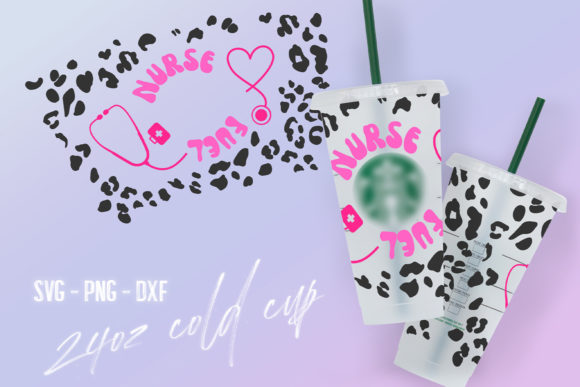
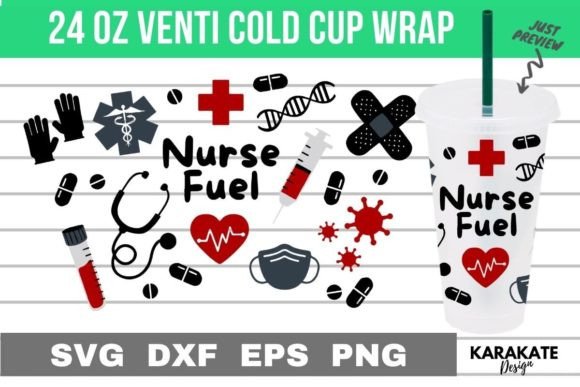
The layout feels purpose-built: a tall, narrow vertical wrap shape that mirrors the contour of a 24 oz venti cup. It’s got bold lettering, a stylized coffee cup icon, and subtle heart or cross accents—friendly without being cutesy. The mood? Uplifting, professional, and quietly proud. It reads as “I love my work, and I need caffeine to keep going”—a tone that resonates deeply with nurses I’ve collaborated with on custom embroidered tote bags and scrub caps.
Where This Design Shines (and Where It Needs Translation)
I tested Nurse Fuel, 24 Oz Venti Cup Wrap SVG in two real scenarios: first, as a base for digitizing an embroidered patch for a nursing school graduation gift; second, as a printable mockup for an Etsy listing of personalized sweatshirts. In both cases, its strength was visual clarity—not stitch execution.
For embroidery, this graphic works best when treated as source art. Its clean edges, consistent stroke weight, and balanced negative space make it highly digitizable. I converted it into a satin-stitch border with a fill-stitch coffee icon and running-stitch text outline—no jagged corners, no collapsed details. On a medium-weight cotton twill tote bag? Crisp. On a lightweight baby onesie? Only after simplifying the text and reducing stitch density. The original SVG has fine interior lines that would vanish under dense fill stitching on thin fabric.
It’s also ideal for craft business owners who pair embroidery with print-on-demand or heat-transfer workflows. As a Graphics asset, it slots neatly into Canva templates, sublimation mockups, or iron-on vinyl cut files—giving small shop owners flexibility across product types without needing to redraw anything.
Real Fabric Realities: What You’ll Want to Watch
- Small hoop sizes: The full wrap exceeds most 4×4 hoops. Plan to split or scale down for caps or baby hats—or use just the coffee icon as a standalone motif.
- Textured or stretchy fabric: The lettering has moderate tracking. On terry cloth towels or ribbed knit sweatshirts, tighten your stabilizer strategy—cutaway + tear-away combo worked best in my tests.
- Dark fabric: The PNG includes transparency, but if you’re printing or embroidering darks, verify contrast in black-and-white mockups first. Some lighter gray accents may fade visually.
- Curved surfaces: While the wrap shape suggests cup application, don’t assume it auto-fits mugs or tumblers. Test print it on scrap paper wrapped around your target vessel—it’s close, but minor tweaks help.
Design Integrity Meets Customer Trust
Here’s what matters to buyers: does it feel handmade, intentional, and worthy of gifting? Nurse Fuel, 24 Oz Venti Cup Wrap SVG supports that—if used thoughtfully. When stitched cleanly onto a linen tea towel or a structured canvas apron, it reads as boutique-quality, not clipart. But slap it unaltered onto a low-thread-count tee with poor stabilizing? It’ll look flat, generic, and forgettable.
That distinction separates craft business owners who grow repeat sales from those who get one-time orders. Customers notice stitch clarity. They feel fabric texture beneath embroidery. They read brand consistency—even in a single motif. This design gives you room to deliver all three, but only if you treat it as raw material, not a finished embroidery file.
Practical Designer Notes Before You Stitch
- Test the design on scrap fabric matching your final product—especially for baby embroidery or holiday embroidery where wash durability matters.
- Check thread color contrast against both light and dark backgrounds. Nurse-themed palettes often lean navy, teal, or burgundy—verify readability at 12 inches.
- Review stitch density in your digitizing software. The original SVG doesn’t specify stitch count or underlay—so adjust for fabric weight and end use.
- Confirm hoop size compatibility before prepping production runs. If you’re selling embroidered patches or custom apparel, know your smallest viable version.
- Inspect tiny details like cup steam lines or heart contours—they’re charming in vector form but can disappear in satin stitch without proper underlay or reduced scale.
- Use proper stabilizer: medium cutaway for knits, tear-away for stable wovens, and fusible + tear-away for lightweight linens.
- Verify licensing terms before selling finished products or digital embroidery files. This is a Crafts download—commercial use depends on the seller’s stated terms, not assumed rights.
A Smart Asset—If You Know How to Use It
Nurse Fuel, 24 Oz Venti Cup Wrap SVG isn’t a plug-and-play embroidery file. It’s a well-structured, versatile design asset built for creators who understand the gap between vector art and stitched reality. It fits naturally into holiday embroidery bundles, nurse appreciation kits, boutique branding suites, and printable mockup libraries.
For Etsy sellers, it’s a low-risk addition to a digital shop—paired with a simple “how to digitize” guide or recommended thread palette, it adds perceived value. For embroidery designers, it’s clean source material that saves hours redrawing from scratch. And for small shop owners building cohesive product lines—from embroidered pillow covers to personalized gifts—it delivers consistent visual language across mediums.
Just remember: great embroidery starts with smart choices long before the needle drops. This SVG gives you a strong foundation. Your judgment, testing, and attention to fabric and function turn it into something people proudly wear, gift, and remember.