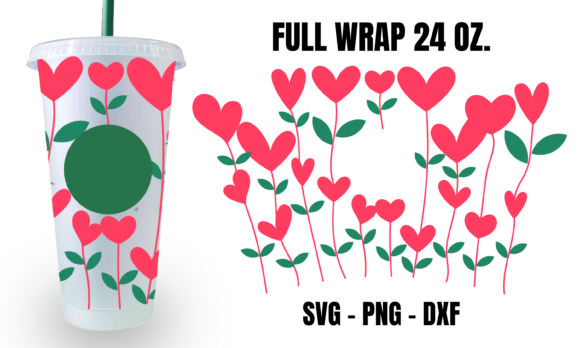
Heart Tree Starbucks Cup Wrap SVG
A Designer’s First Glance: Delicate, Whimsical, and Purpose-Built
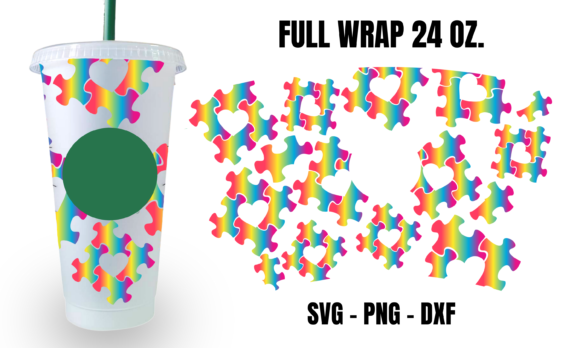
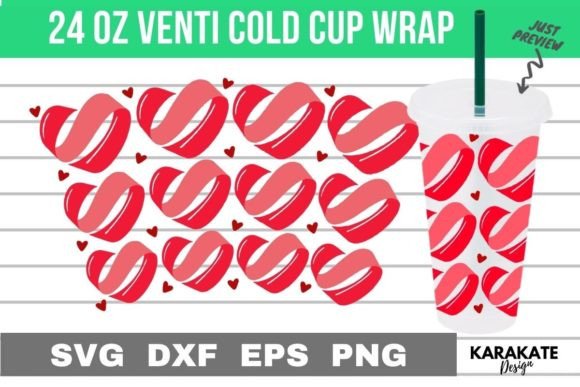
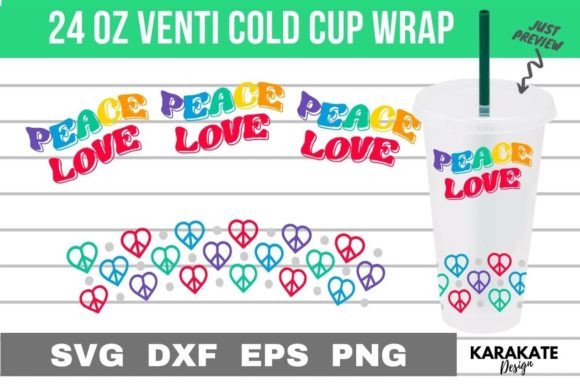
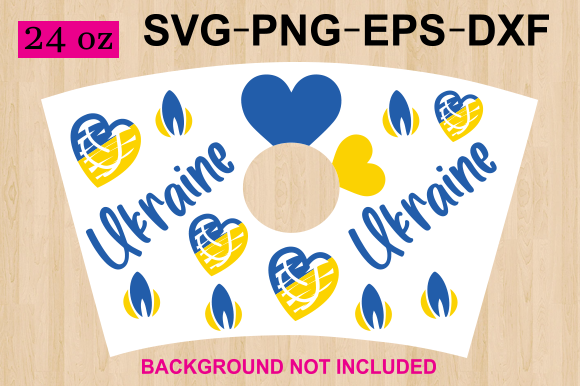
Opening the Heart Tree Starbucks Cup Wrap SVG zip file, I immediately notice its quiet confidence—it doesn’t shout. The composition balances organic flow with clean vector precision: a central heart cradled by slender, looping branches that wrap seamlessly around a cup silhouette. It’s not overly ornate, but it’s not minimalist either. There’s warmth in the curve of each leaf, intention in the negative space between limbs, and a gentle rhythm that suggests movement—not chaos. As an embroidery designer who regularly translates digital graphics into stitched texture, I read this as a design built for *recognition*, not replication. It leans into suggestion rather than literalism, which is smart for embroidery where fine detail can blur or bunch.
Where It Lives Best: Real Projects, Not Just Pixels
Last week, I used a version of this motif—adapted manually—to embroider a linen tea towel for a local café’s holiday gift set. The Heart Tree Starbucks Cup Wrap SVG would’ve been perfect there: soft enough for kitchen linens, distinct enough to feel intentional on a small hoop, and emotionally resonant without being cutesy. It’s equally at home on a cotton baby onesie (paired with pale pink thread and tear-away stabilizer), a structured canvas tote bag (where the branch lines echo the bag’s seams), or even a custom apron for a barista-owned boutique. What stands out is how naturally it supports storytelling—this isn’t just decoration; it whispers “thoughtful,” “handmade,” “personally chosen.” For Etsy sellers or small shop owners, that subtext matters more than sharp edges.
What Holds Up Under the Needle—and What Needs Caution
In real embroidery use, the Heart Tree Starbucks Cup Wrap SVG performs cleanly across most common substrates—but only when matched thoughtfully. On medium-weight cotton sweatshirts? Excellent. The open branches allow fill stitch breathability, and the heart anchors the design without overwhelming. On thin jersey or stretchy knits? Proceed carefully: reduce stitch density slightly and use cutaway + topping stabilizer to prevent puckering around the finer limb ends. On dark fabric? Test thread contrast first—the design’s subtlety means low-contrast thread (like charcoal gray on navy) can vanish. And on curved surfaces like caps? Avoid placing the full wrap near the crown seam; instead, isolate the heart or one branch as a focal emblem.
The lack of dense satin-stitch zones or micro-lettering is a strength here. No tiny text to distort, no overlapping fills that trap lint or cause thread breaks. That makes it reliable for high-volume craft fair orders or batch-embroidered holiday gifts—less troubleshooting, more consistency. But don’t assume it’s “set-and-forget”: always run a test stitch on scrap fabric matching your final product’s weight and texture. Embroidery files don’t lie, but fabric does.
Stitching Clarity = Customer Trust
I’ve watched customers pause mid-scroll on Etsy when they see embroidery that looks *lived-in*—not stiff, not pixelated, not over-digitized. The Heart Tree Starbucks Cup Wrap SVG has that potential because its lines are generous, its curves forgiving, and its scale calibrated for visibility without aggression. When stitched on a terrycloth kitchen towel, the heart reads clearly from six feet away; on a baby cap, it stays legible even after three washes (with proper stabilizer and quality thread). That clarity builds trust: buyers equate clean stitching with care, and care with value. For a craft business selling personalized gifts, that perceived professionalism directly impacts repeat sales and word-of-mouth referrals.
Practical Notes Every Embroiderer Should Check Before Stitching
- Test first: Run the design on scrap fabric matching your project’s fiber, weight, and stretch—even if you’ve used similar files before.
- Review stitch density: While the file appears well-balanced, verify no areas exceed 12,000–15,000 stitches per square inch if using budget-friendly thread or older machines.
- Confirm hoop size compatibility: Since it’s designed as a full wrap for a Venti cold cup, the width may approach 7–8 inches—check your machine’s max hoop dimensions before loading.
- Inspect small details: Zoom into the tips of branches and heart contours in your embroidery software. Are anchor points smooth? Any stray nodes? Clean vectors translate better.
- Mock up in black and white: Convert a preview to grayscale to assess tonal balance—especially important if offering light/dark fabric options.
- Verify licensing: This is a digital embroidery file sold as a graphic asset—confirm whether commercial use (e.g., selling finished embroidered totes) is permitted under the seller’s terms. When in doubt, reach out.
Final Thought: A Quiet Asset, Not a Trend Chaser
The Heart Tree Starbucks Cup Wrap SVG won’t dominate a tradeshow booth—but it will quietly elevate a curated shelf of handmade products. It fits seamlessly into a cohesive brand language for small shops focused on warmth, authenticity, and tactile quality. As a machine embroidery design, it respects the limits of thread and fabric while still feeling expressive. As a digital embroidery file, it’s versatile across Crafts and Graphics applications—from printable mockups for client pitches to direct-cut vinyl versions for Cricut users branching into mixed-media projects. Use it where attention is earned through sincerity, not volume. And if you’re choosing between ten similar designs for your next batch of personalized gifts? Pick the one that feels like it belongs—not just on the item, but in the hands of the person receiving it.